AI can create an image. So can anyone. EVGPA governs the trust behind it.
AI Has Changed Executive Imagery. It Has Not Replaced Governance.
Artificial intelligence has changed executive imagery permanently. Production is no longer the barrier. Realistic leadership visuals can now be generated quickly, refined instantly and adapted across formats with a level of polish that once required full production teams.
But realism alone has limited strategic value. Executive trust is not built through image quality. It is built through alignment. An AI-generated portrait may appear technically flawless while still communicating the wrong leadership signal entirely.
This is where many organizations will be exposed. They will optimize generation while neglecting governance. They will create more images, faster outputs and cleaner visual assets, but without a clear standard for what leadership should communicate.
Image Quality Is No Longer the Advantage
For years, the challenge was production. Organizations needed photographers, studios, retouching, coordination, scheduling and approvals to create leadership visuals at a professional level. That barrier is collapsing. AI can now produce highly polished imagery with speed and consistency that changes the economics of executive visibility.
This does not make executive imagery less important. It makes governance more important. When polished visuals become easier to produce, the advantage moves away from technical quality and toward strategic meaning. The question is no longer only whether the image looks refined. The question is whether the image communicates the right authority, role, trust and organizational standard.
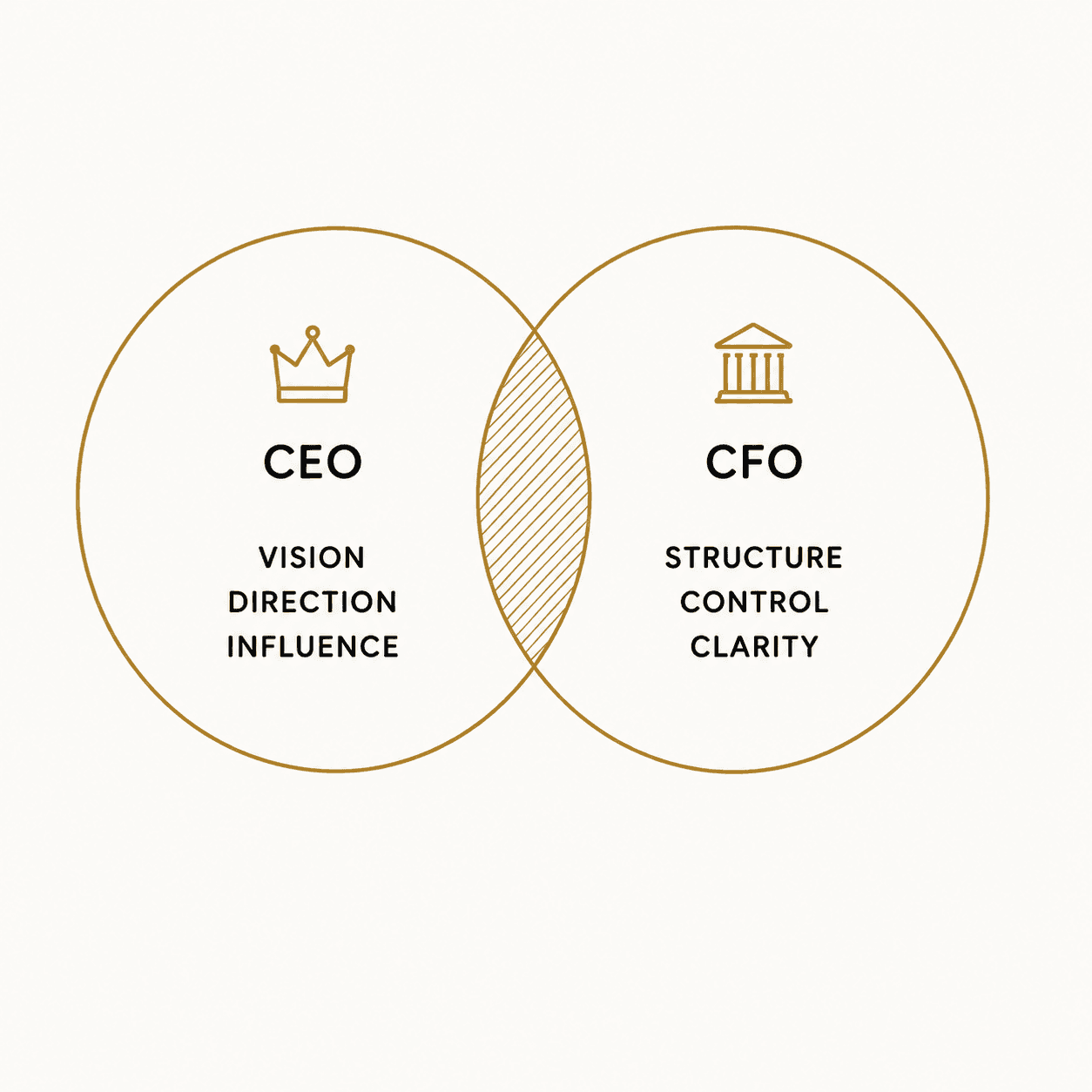
A flawless image can still be strategically wrong. It can make a CEO look too casual, a CFO look too promotional, a board member look under-positioned or a leadership team appear visually disconnected. The problem is not realism. The problem is misalignment.
AI Can Accelerate Fragmentation
Without governance, AI does not automatically create consistency. It can accelerate inconsistency. Different teams may generate different versions of leadership. Different platforms may carry different signals. Different executives may appear under separate visual standards without anyone noticing the fragmentation until it becomes visible across the organization.
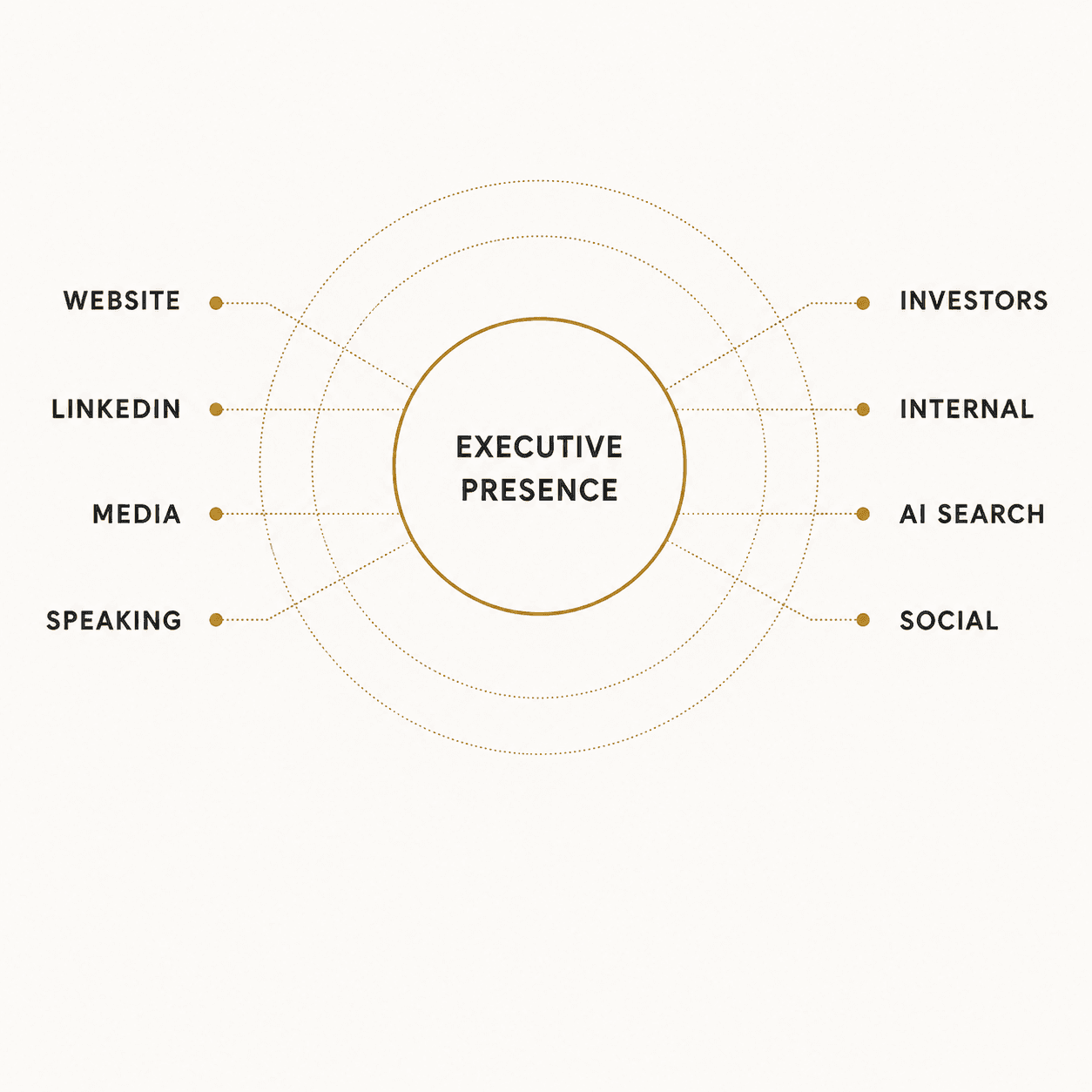
This matters because leadership visibility is cumulative. A website image, investor profile, media asset, conference visual, internal announcement and public platform presence all contribute to how leadership is interpreted. If those assets are generated without a governing standard, the organization may appear polished in pieces but misaligned as a system.
AI makes it easier to produce the image. It does not decide what the image should mean. It does not understand the leadership hierarchy, the company’s trust environment, the role distinction between executives or the level of authority each leader must carry. Those decisions still require judgment.
Executive Imagery Requires a Standard
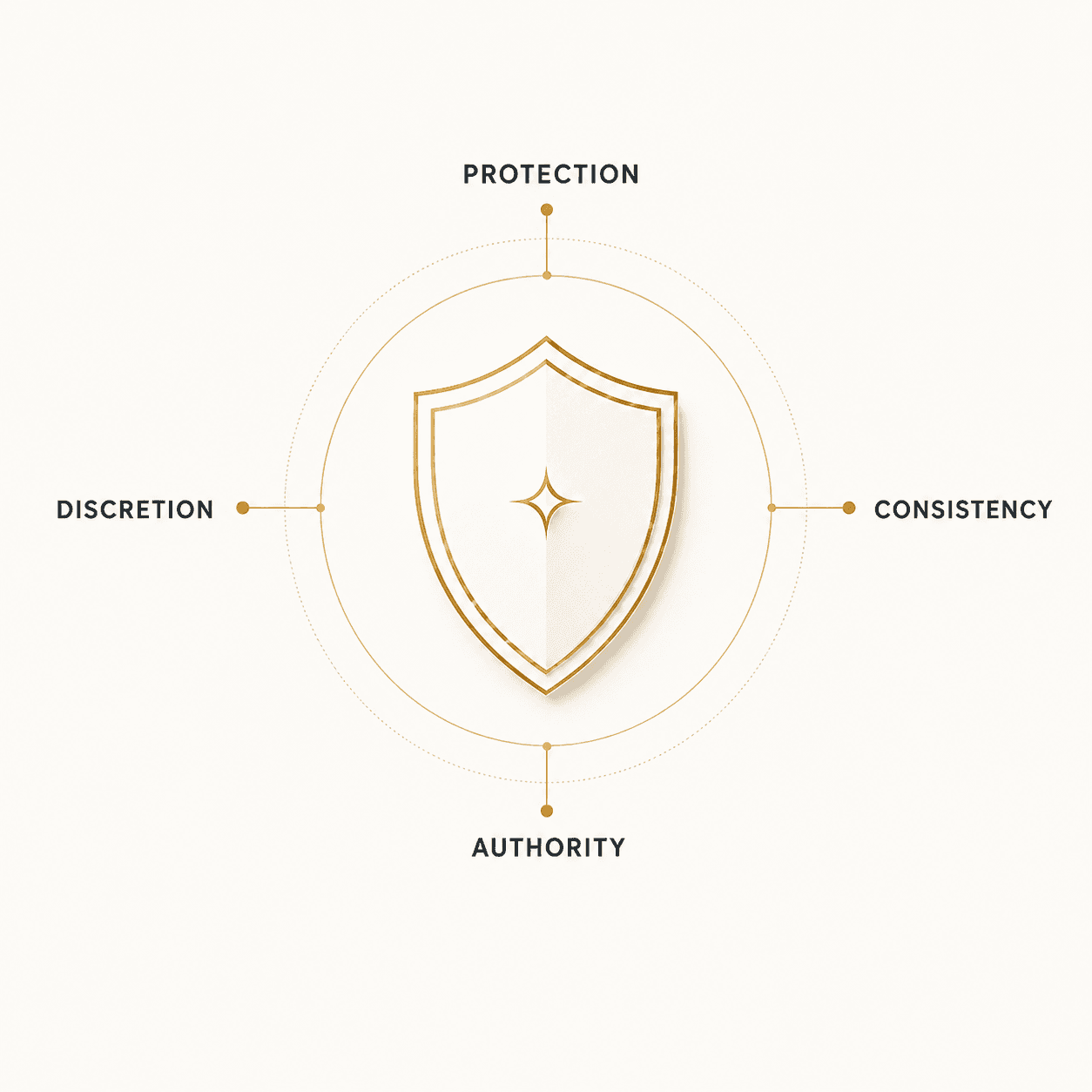
Executive visibility cannot operate through image generation alone. It requires structure: role alignment, contextual consistency, hierarchy clarity, organizational coherence and cross-platform continuity. These are the controls that determine whether leadership imagery strengthens trust or introduces noise.
Role alignment ensures each leader communicates the authority appropriate to their position. Contextual consistency ensures the image fits the platform and audience. Hierarchy clarity helps stakeholders understand the leadership system quickly. Organizational coherence connects individual presence to company confidence. Cross-platform continuity prevents executives from appearing as multiple versions of themselves.
These controls are not aesthetic preferences. They are governance decisions. They determine whether executive imagery supports the organization’s trust system or simply adds more polished material to an already fragmented landscape.
The Future Is Not More Images
The future of executive imagery will not be determined by who creates the most polished visuals. It will be determined by who governs meaning most effectively. As visual production becomes easier, the real distinction will be the ability to control the leadership signal.
Sophisticated organizations will not use AI simply to generate more. They will use it within a defined standard. They will know what each leader should communicate, how each image should align with role and context and where visual consistency must be protected across platforms.
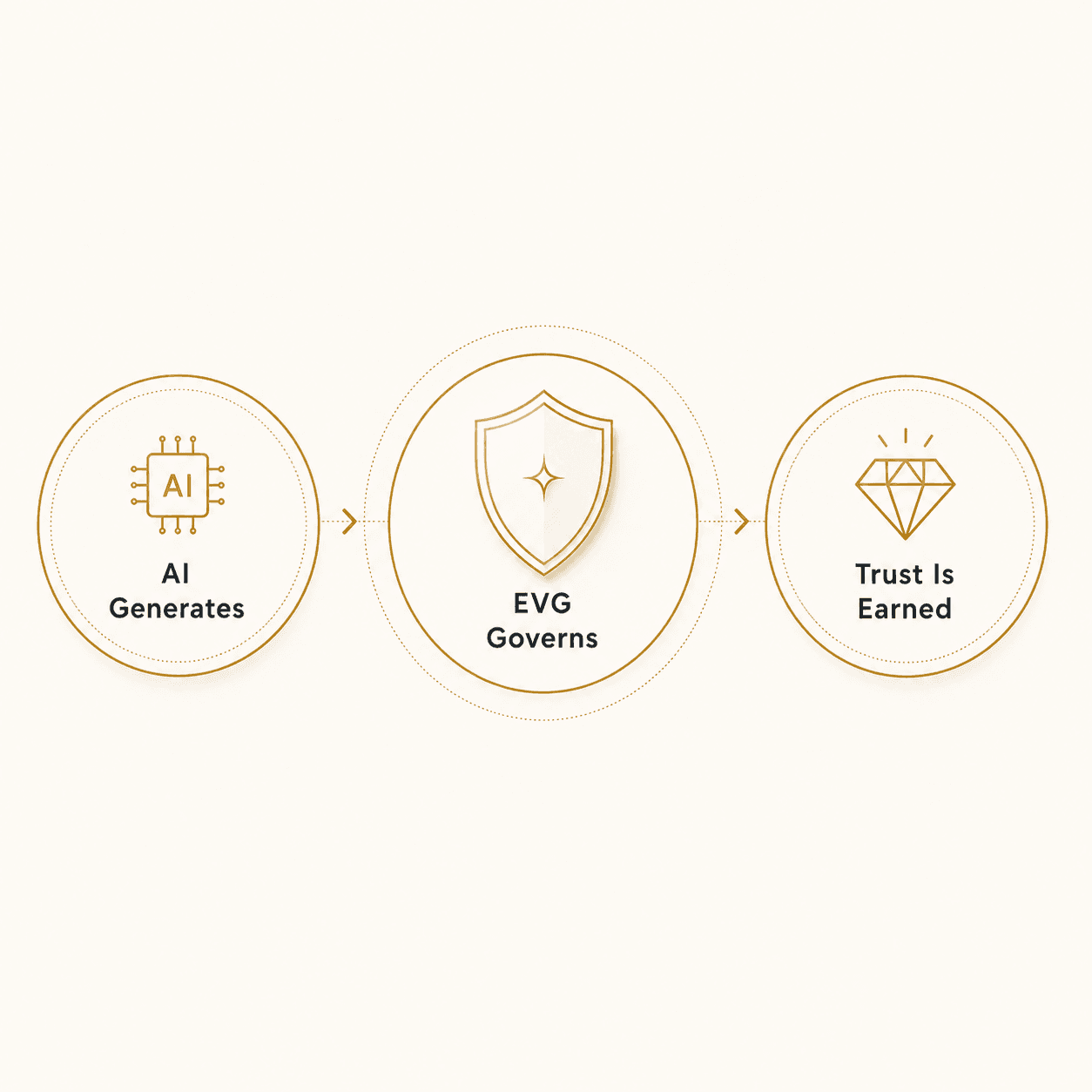
This is the difference between scale and discipline. AI creates scale. Governance creates discipline. One produces visual output. The other protects leadership trust.
The Image Is Not the Asset
The image itself is not the asset. The controlled trust behind the image is. A leadership visual only carries value when it reinforces the right interpretation of the leader and the organization they represent.
This is why Executive Visual Governance becomes more important in the age of AI, not less. As imagery becomes easier to create, the risk of ungoverned visibility increases. The organizations that succeed will not be the ones producing the most refined visuals. They will be the ones defining the clearest standards.
AI can generate the image.
Governance determines whether the image should exist, what it should communicate and how it should support leadership trust.